Slovenia travel guide: Ljubljana, the lakes, the Alps and the coast
Slovenia is small enough to cross in a few hours, yet it holds an old capital, Alpine lakes, a river valley, caves and a short stretch of Adriatic coast. It suits a city break with a few days out. The one thing to know is that the best sights are outside Ljubljana, and a car makes them far easier than public transport.
The short answer
- First trip
- Base yourself in Ljubljana for two or three days, then add Lake Bled and Lake Bohinj, or the caves and the coast.
- How long
- Four days covers Ljubljana and Bled. A week adds the Soča valley or Piran and the caves.
- Best time to go
- May to September for lakes, hiking and the coast. December for Christmas lights in the capital.
- Getting around
- Buses and trains link the main towns. A car helps a lot in the mountains and the Soča valley.
- Money
- The euro. Cards are widely taken, though small mountain huts and some rural stops prefer cash.
- Book ahead
- Rooms around Lake Bled in summer, popular restaurants, and any cave tour you want on a set day.
Best cities to visit in Slovenia

Ljubljana
A small, green capital with a car-free riverside center, a hilltop castle and a relaxed cafe culture. It suits couples, families and anyone who wants an easy base for the lakes and caves.
Give it 2 to 3 days
Beyond the cities
Lake Bled
A glacial lake with a church on a small island and a castle on a cliff. Buses and trains from Ljubljana take roughly an hour or a little more, so it works as a day trip, but a night helps you avoid the crowds.
Lake Bohinj
A quieter, larger lake in the Julian Alps, around 30 minutes beyond Bled by bus or car. It is better for walking and swimming than for sightseeing.
Piran
A small Venetian-style town on the Adriatic, with a tight old center and a harbor. Buses from Ljubljana take about two hours, and it works best with a night or two.
The Soča valley
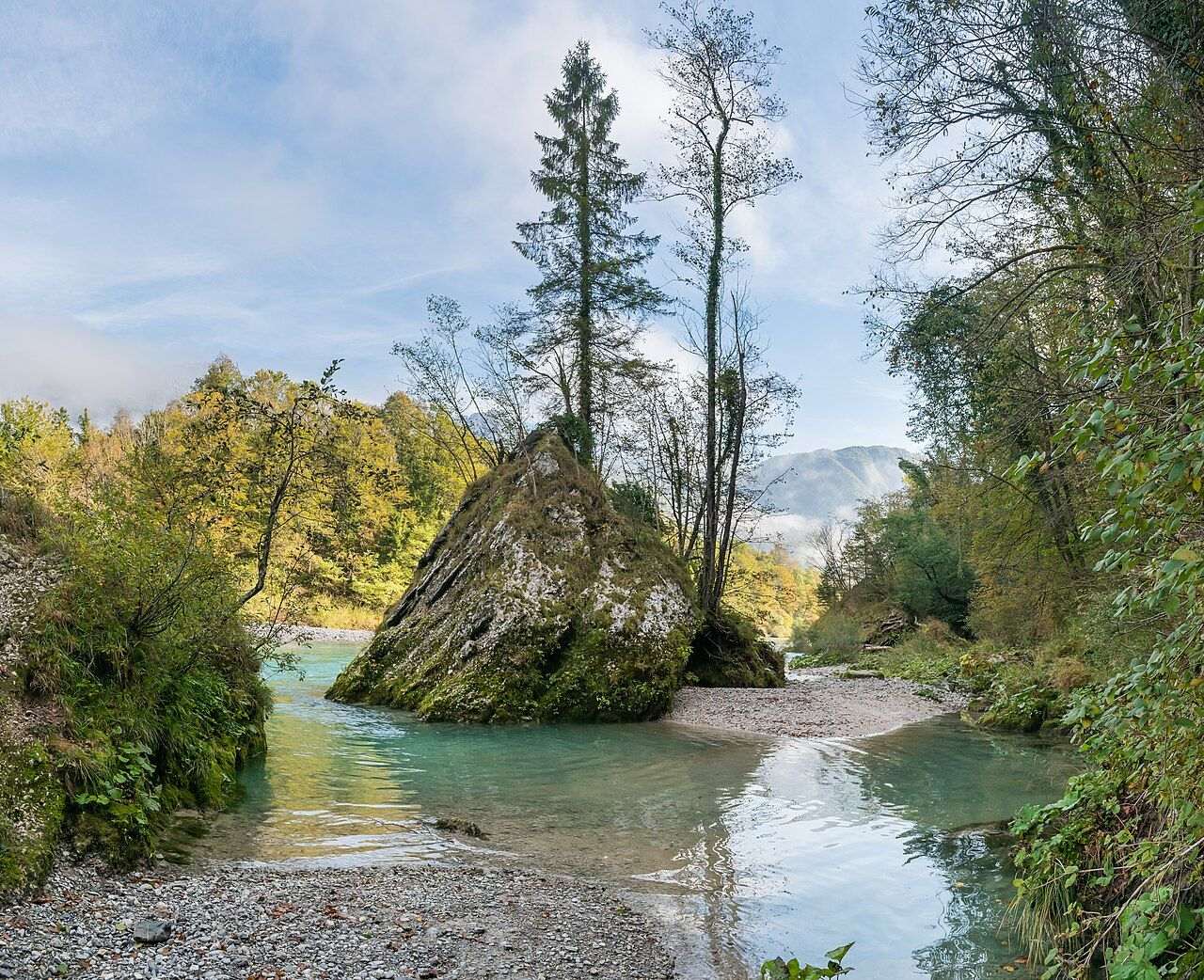
A turquoise river with hiking, rafting and quiet villages in the west. Public transport is limited, so a car is much simpler, and it needs at least a night.
Postojna and the caves
One of the best-known cave systems in Europe, with a tour that starts on a small train. It is roughly an hour from Ljubljana by bus or train, and tours are best booked in advance.
Slovenia itineraries
- Four days: Ljubljana and Bled
Spend two nights in Ljubljana for the old center, the castle and the river. Move to Bled for the lake and its viewpoints, and walk the shore or climb to a viewpoint on the last day.
- Seven days: Ljubljana, Bled and the coast
Three nights in Ljubljana with a day at the caves at Postojna, two nights at Bled or Bohinj, and two nights in Piran. Buses cover each leg, and the coast is the slowest part of the trip.
- Ten days: Alps, valley and sea
Three nights in Ljubljana, three around Bled and Bohinj, two in the Soča valley and two at the coast. A hire car is the practical choice here, since public transport thins out in the mountains.
Best time to visit Slovenia
May to September is the main season. Days are long, the lakes are warm enough for a swim in summer, and mountain paths are open. July and August are the busiest months at Bled, so book rooms early and go to the lakeside at either end of the day.
Autumn is quieter and often clear, with good color in the hills in October. Winter is cold, with snow in the Alps and Christmas lights in Ljubljana, but some mountain roads and huts close, so check before you plan a trip out of the capital.
How to get around Slovenia
- TrainsSlovenske železnice, the national railway, links Ljubljana with Maribor, Postojna and the main towns, and with Bled through the Lesce-Bled station, a short bus ride from the lake. It is slower than the bus on some routes and does not reach the coast conveniently.
- BusesLong-distance buses are the better way to reach Bled, Bohinj, Piran and many smaller places. Buy a ticket at the station or on board, and expect fewer services on Sundays and in the evening.
- CarsA car is the simplest way to reach the Soča valley and mountain passes. Motorways and expressways need an electronic vignette, which you buy online or at a petrol station before you drive.
- Shuttles and toursDay-trip coaches and shuttles run from Ljubljana to Bled, the caves and the coast. They cost more than a bus but save time if you have only a few days.
What to book before you go
These are the ones that sell out across Slovenia. Each city guide has its own list.
- Rooms at Lake Bled in summer2 to 3 months ahead
The lake has limited beds and fills up from June to August.
- Postojna and Predjama cave toursa few days to a week ahead
Tours run at set times, and weekends in peak season sell out.
- Popular restaurants in Ljubljana1 to 2 weeks ahead
The best-known places fill up at weekends and in summer.
Money, tipping and practical things
- CurrencyThe euro. Slovenia joined the euro area in 2007.
- Cards and cashCards are widely accepted in towns, but carry some cash for mountain huts, small cafes and rural stops. ATMs are fairly common.
- TippingTipping is not required. Rounding up the bill or adding around 10 percent for good service is common.
- Tourist taxesSlovenia charges a tourist tax per person per night, set by each municipality and usually added to your accommodation bill. Check your booking, since rates differ by place.
- EntryNon-EU visitors are registered at the border by the EU's Entry/Exit System. Whether you need a visa, and an ETIAS travel authorization once it starts, depends on your passport: check the EU's official site, travel-europe.europa.eu, before you book.
- PlugsType C and Type F sockets at 230 volts. Most UK and US plugs need an adapter.
What to skip in Slovenia
- Seeing Bled as a rushed day trip at midday
The lake is busiest from late morning to mid-afternoon. Go early or stay the night, and walk the lake or one viewpoint instead of ticking off every sight.
- Trying to cover the whole country in a few days
Distances are short, but mountain roads and thin bus services slow you down. Pick one area beyond Ljubljana, such as the lakes or the coast.
- Driving without a vignette
Motorways and expressways require one, and fines for missing it are high. Buy it online or at a petrol station before the first toll road.
Slovenia: questions people ask
How many days do you need in Slovenia?
Four days covers Ljubljana and Lake Bled. A week adds the coast or the caves, and ten days gives time for the Soča valley.
What are the best places to visit in Slovenia?
Ljubljana, Lake Bled, Lake Bohinj, Piran, the Postojna caves and the Soča valley are the most popular choices.
Is Slovenia easy to get around without a car?
Mostly. Buses and trains reach Ljubljana, Bled, Bohinj, Piran and the caves, but the Soča valley and mountain passes are far easier with a car.
What is the best time to visit Slovenia?
May to September for lakes, hiking and the coast. October is quieter with good colors, and December has Christmas lights in Ljubljana.
Is Slovenia expensive for tourists?
Generally less so than Austria or Switzerland, but Bled and the coast cost more in summer. Staying in Ljubljana and taking day trips is a good way to control costs.
Does Slovenia use the euro?
Yes. Slovenia has used the euro since 2007, and cards are accepted in most towns.
Is Slovenia good for a city break?
Yes, if you want a small, relaxed capital with easy trips out. Ljubljana is compact, and most of its sights are on foot.